
Bespoke fine jewellery, hand made, never with concessions
The Impression
Every jewel begins with a story.
I.
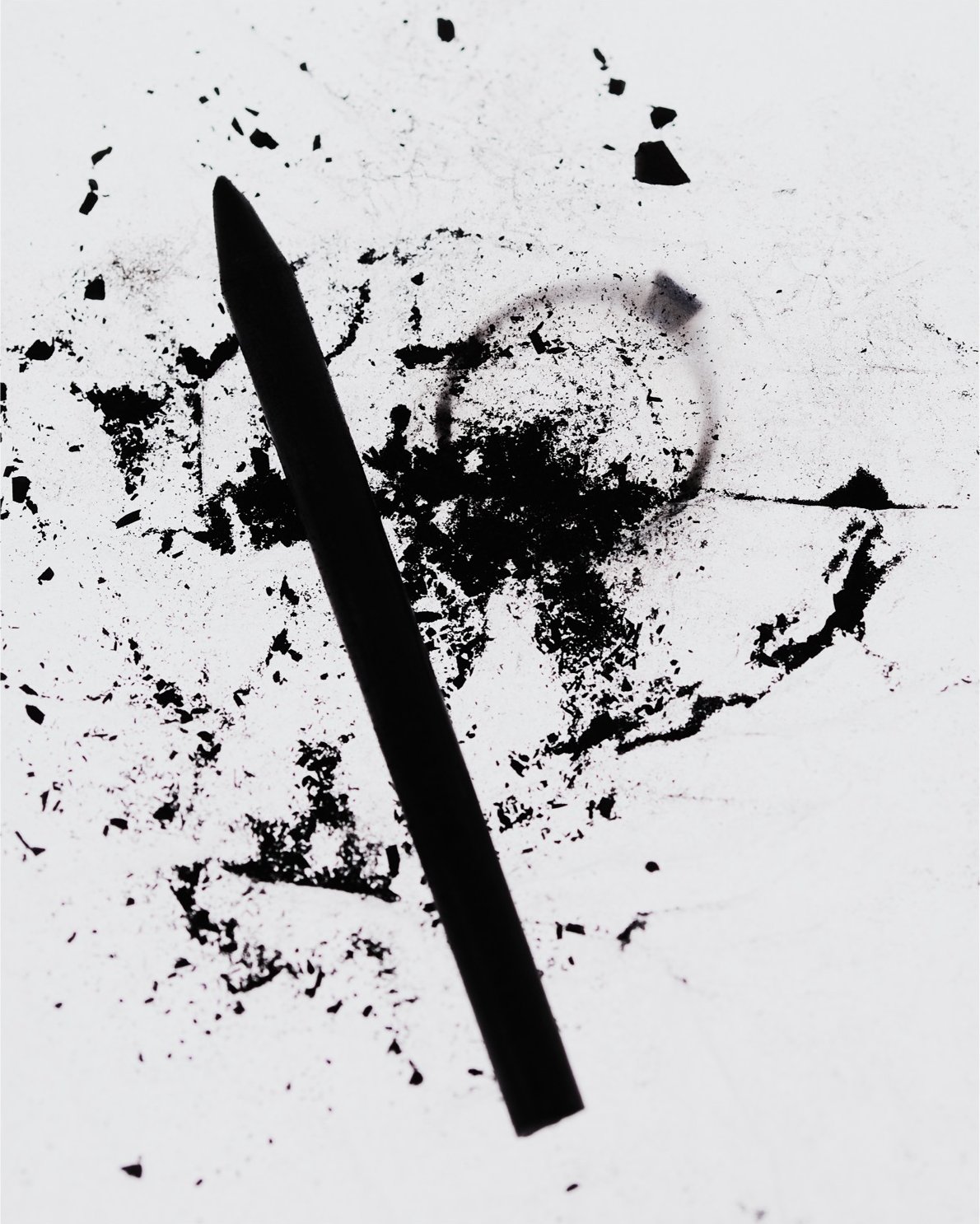
Every project starts with a conversation: a moment in time, an intention, a feeling not yet expressed. We listen, and slowly distil its essence. What remains is an impression, captured in a first sketch.
The Muse
The stone is paramount. All else follows.
II.
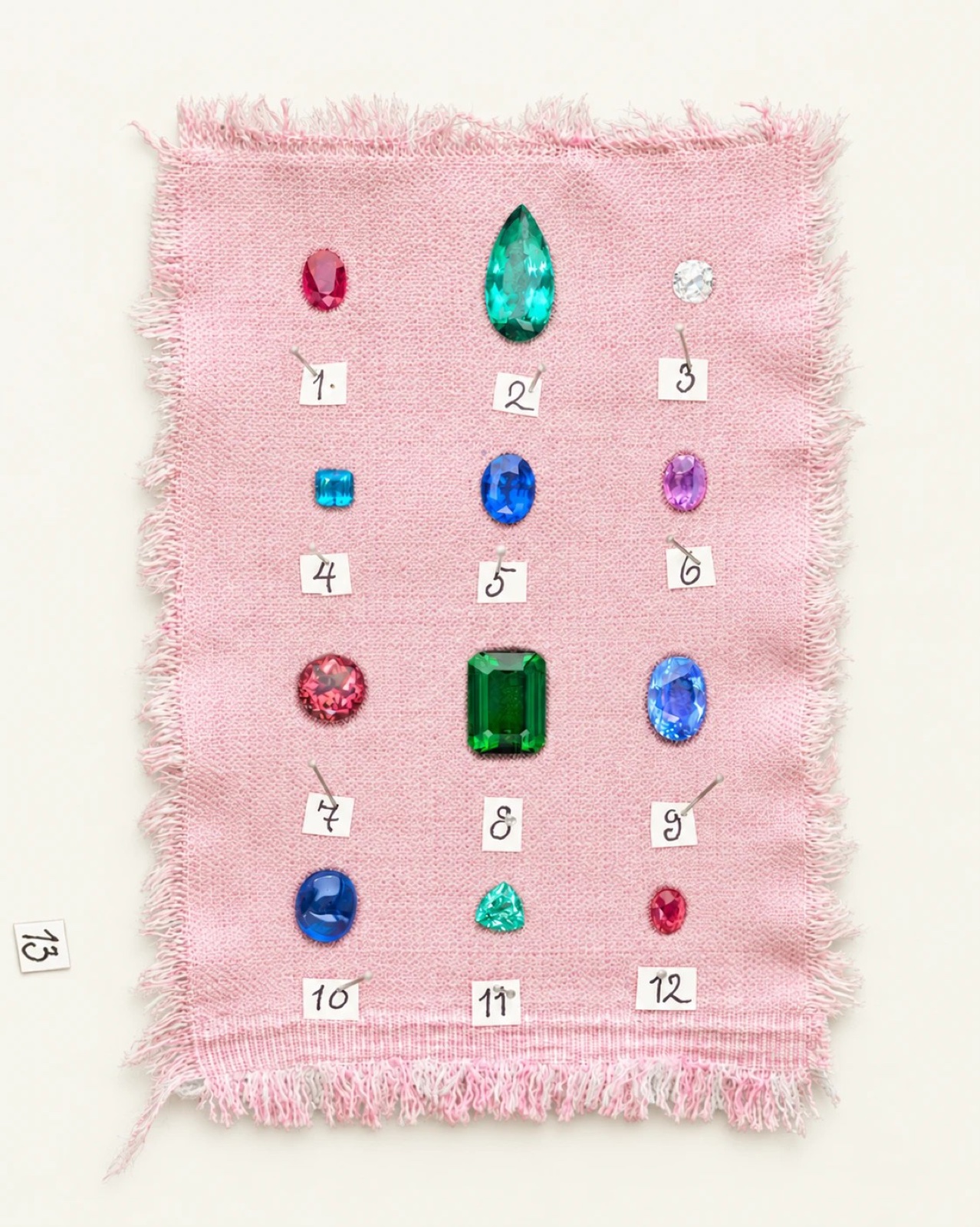
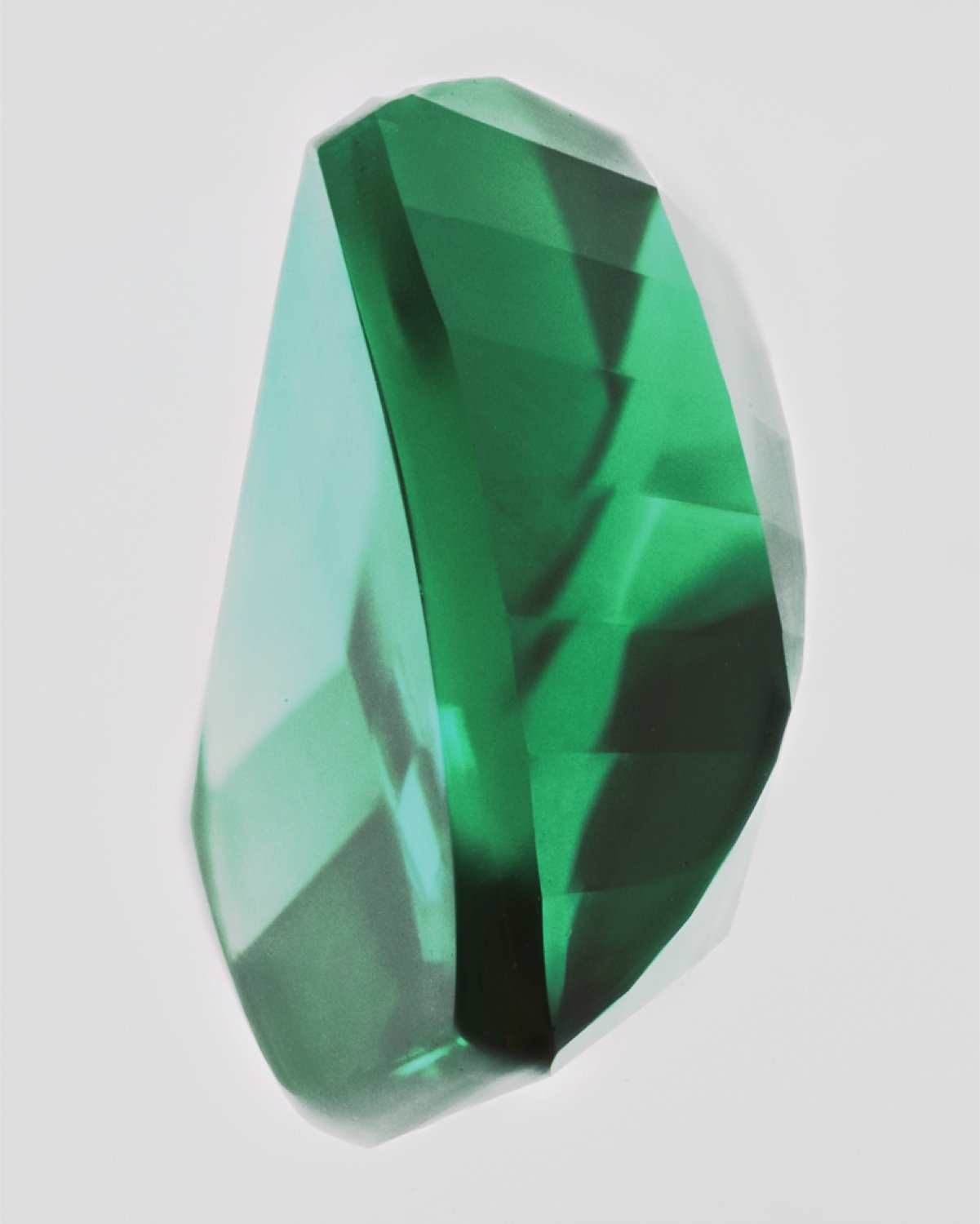
Every jewel we make is built around its stone, never the other way round. And so the search begins for the centre stone that holds the impression. Once found, the impression takes on a colour, a weight and a light of its own.
The Composition
Drawn around your stone, and no other.
III.
With the muse chosen, the design takes its true form on paper. Every line answers to the stone, and to your story. What was once a thought slowly becomes tangible, refined until it feels as if it could never have been otherwise.
The Frame
Where hand and metal are composed.
IV.
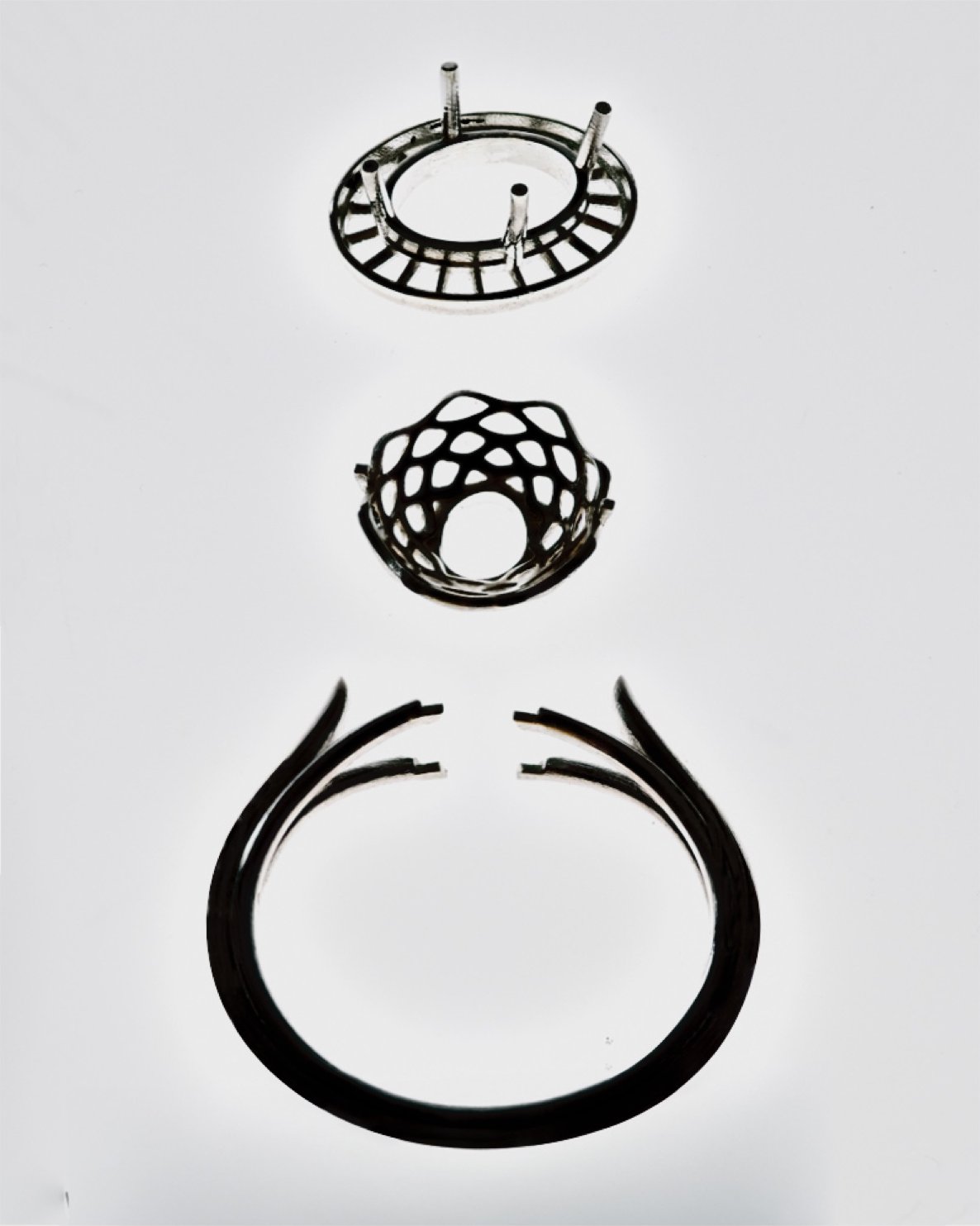
At the goldsmith's bench, the composition crystallises into form. Metal is worked and shaped, the stone is set, and craftsmanship binds subject and support into one. Patiently, the jewel emerges.
The Vernissage
Not on a wall, but an extension of the wearer.
V.
The moment the piece is revealed to your eyes. Not a work to be admired from a distance, but one to be worn: an extension of the body, made to be carried through a lifetime. Our chapter is written. Yours is only beginning.
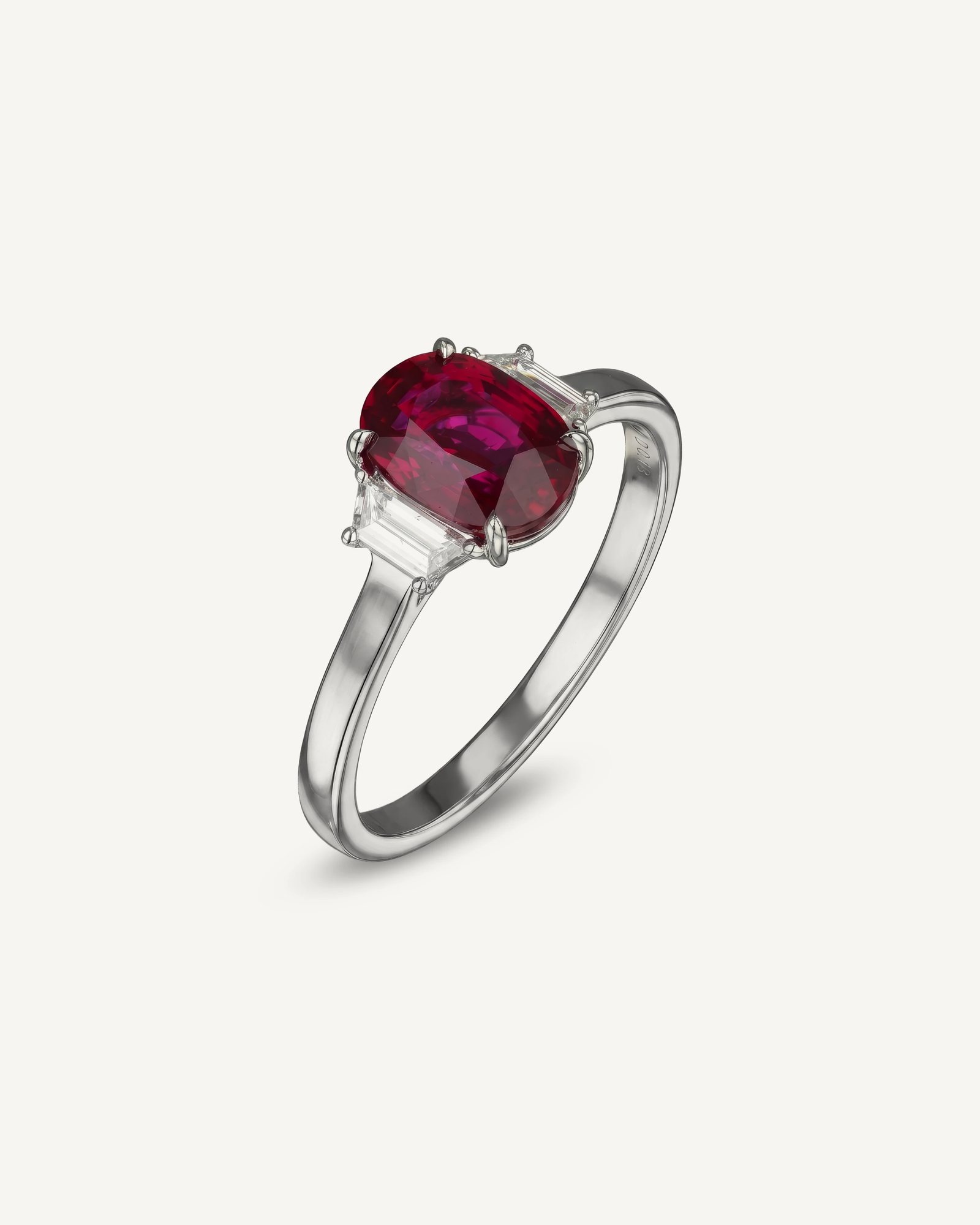
Ruby Ring
No. 01 of 05
1.72ct oval ruby of Mozambique origin, with no indications of treatment, white gold
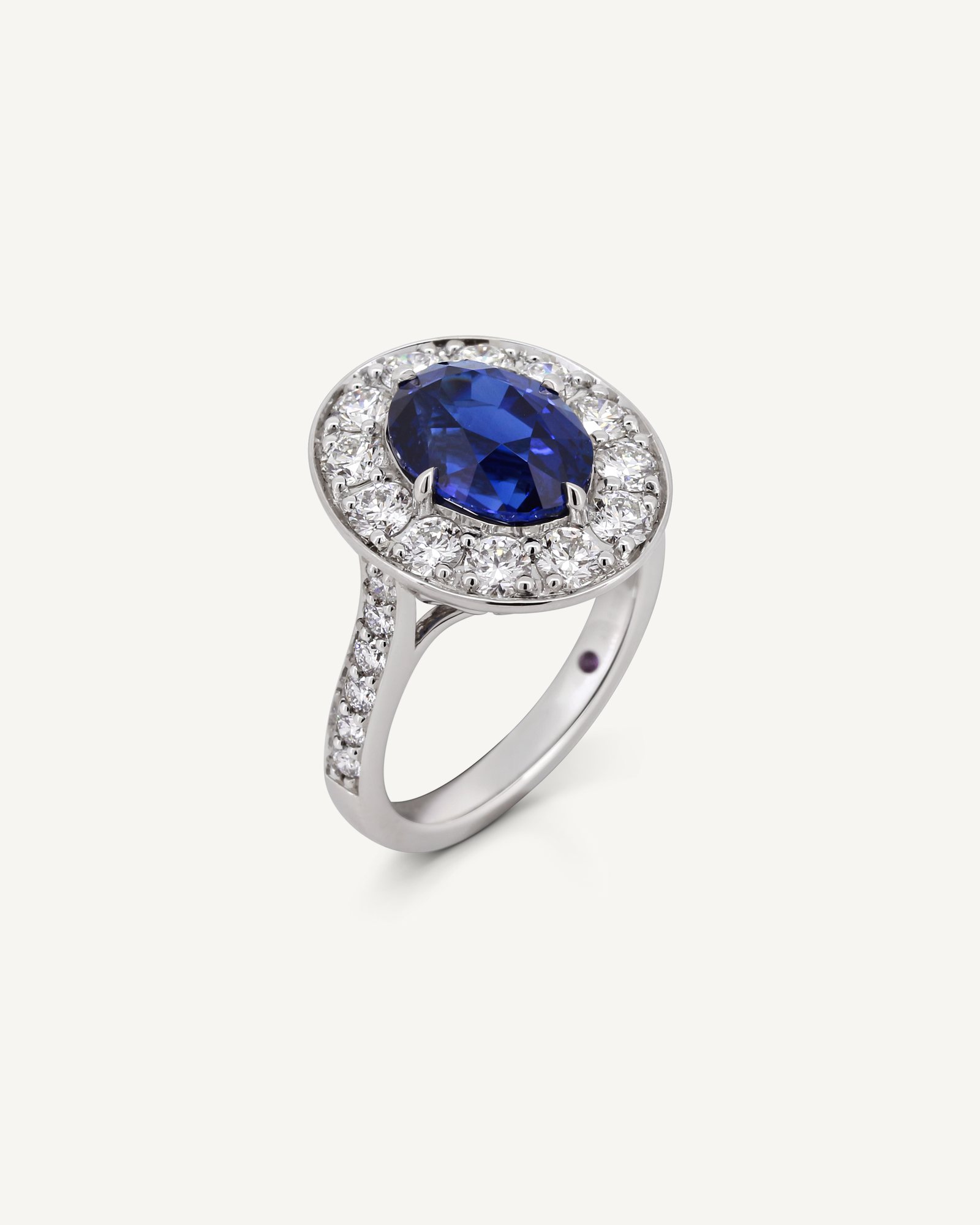
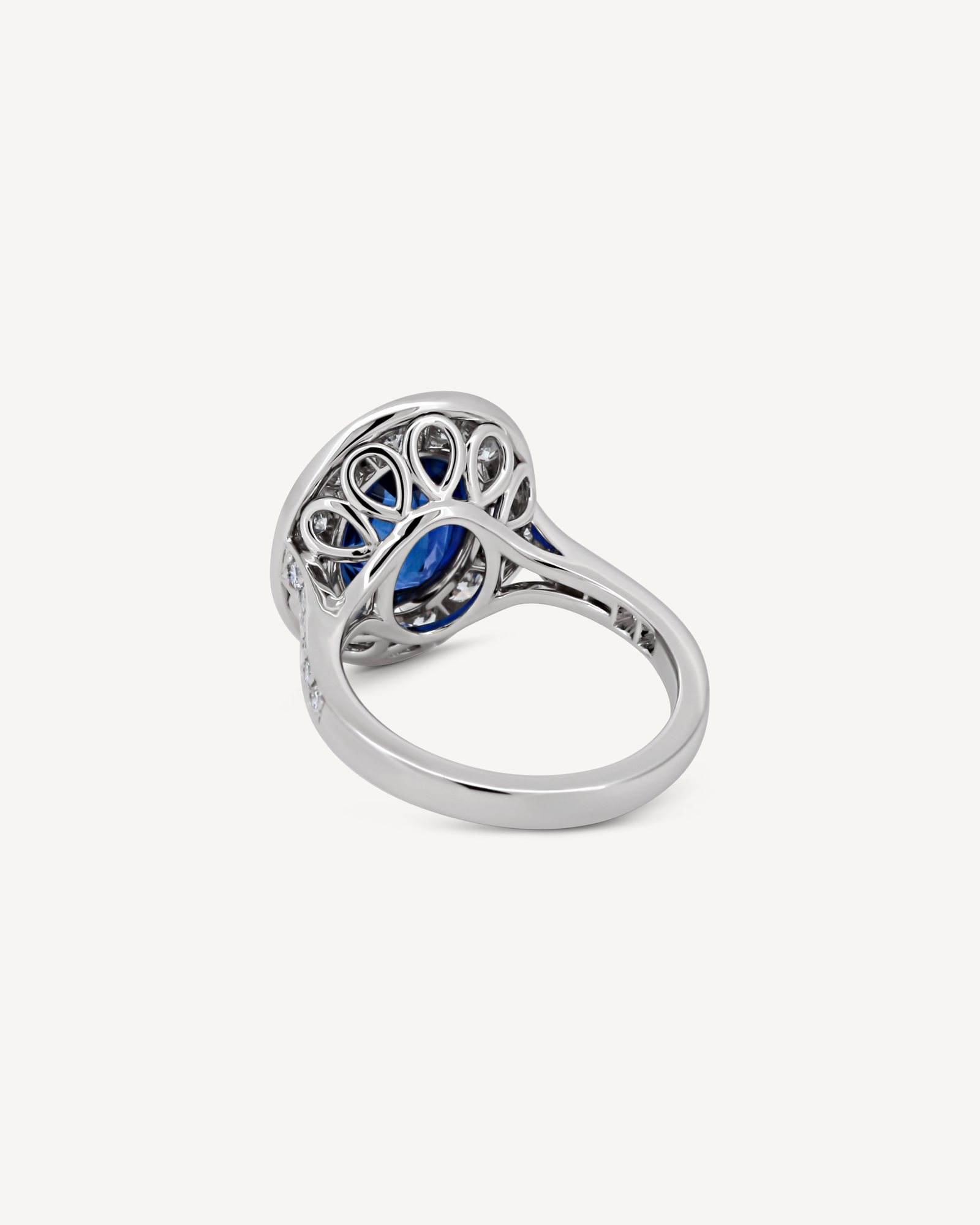
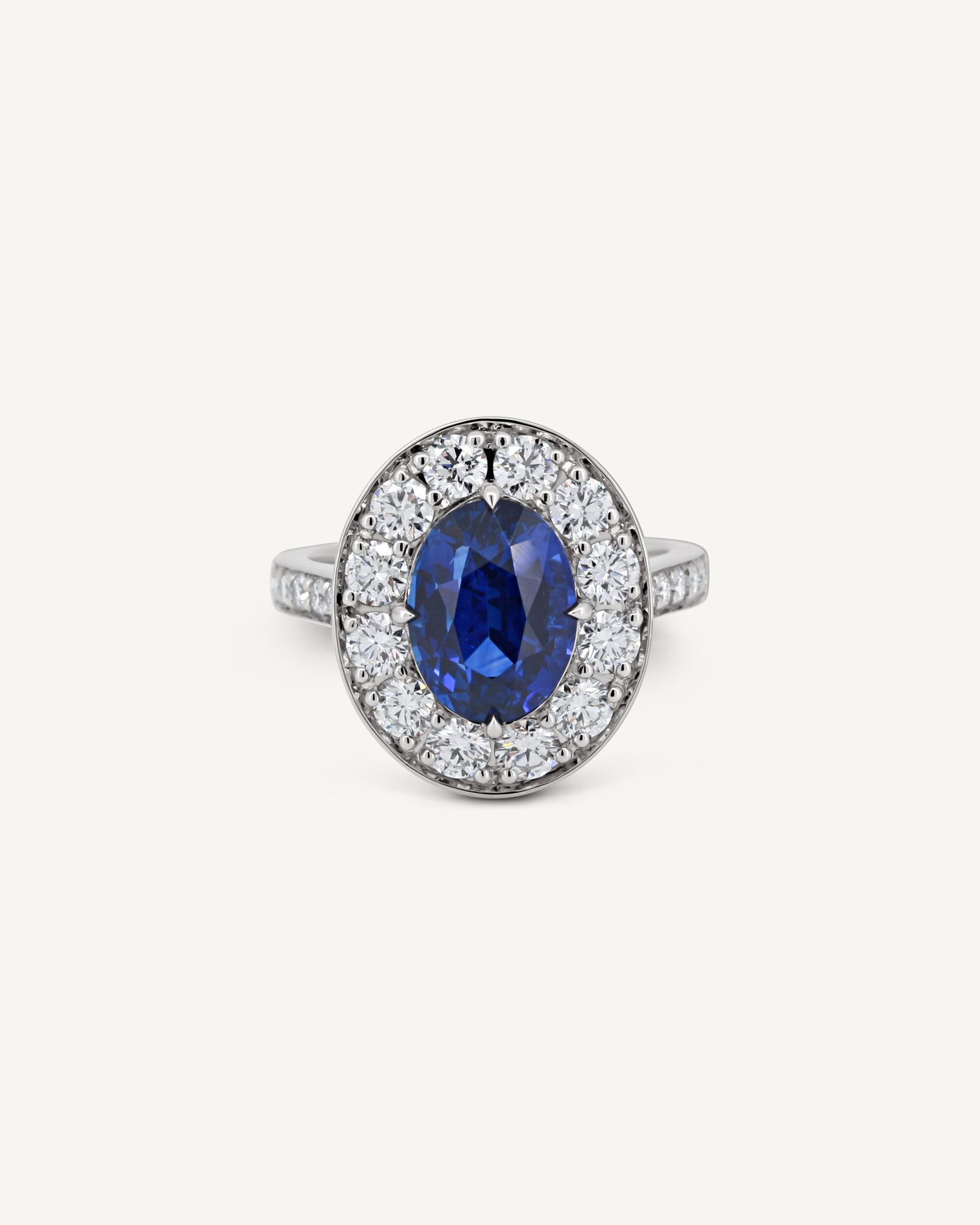
Sapphire Halo Ring
No. 02 of 05
3.57ct oval sapphire in a halo of round brilliant diamonds, white gold
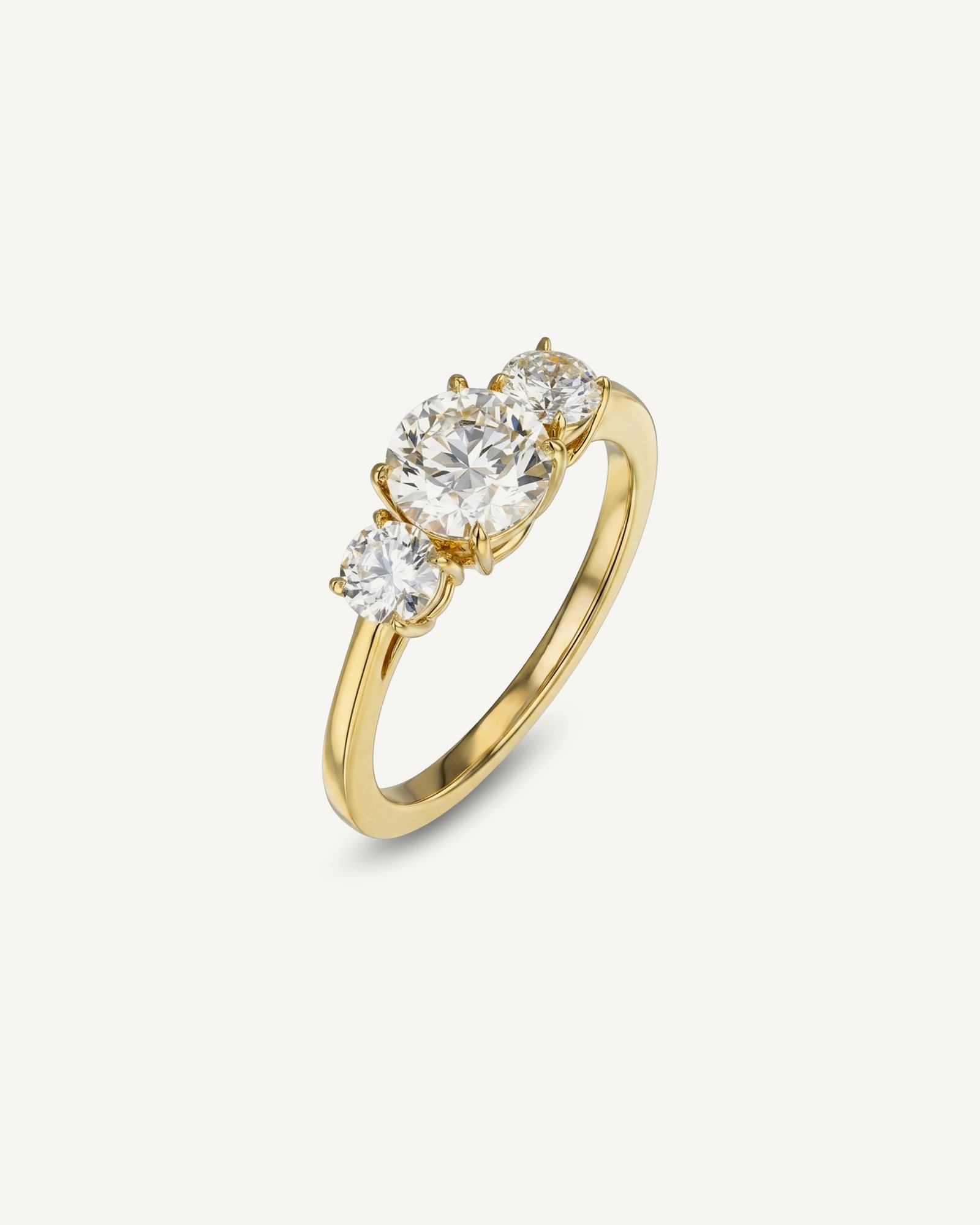
Diamond Ring
No. 03 of 05
Three-stone diamond ring, yellow gold
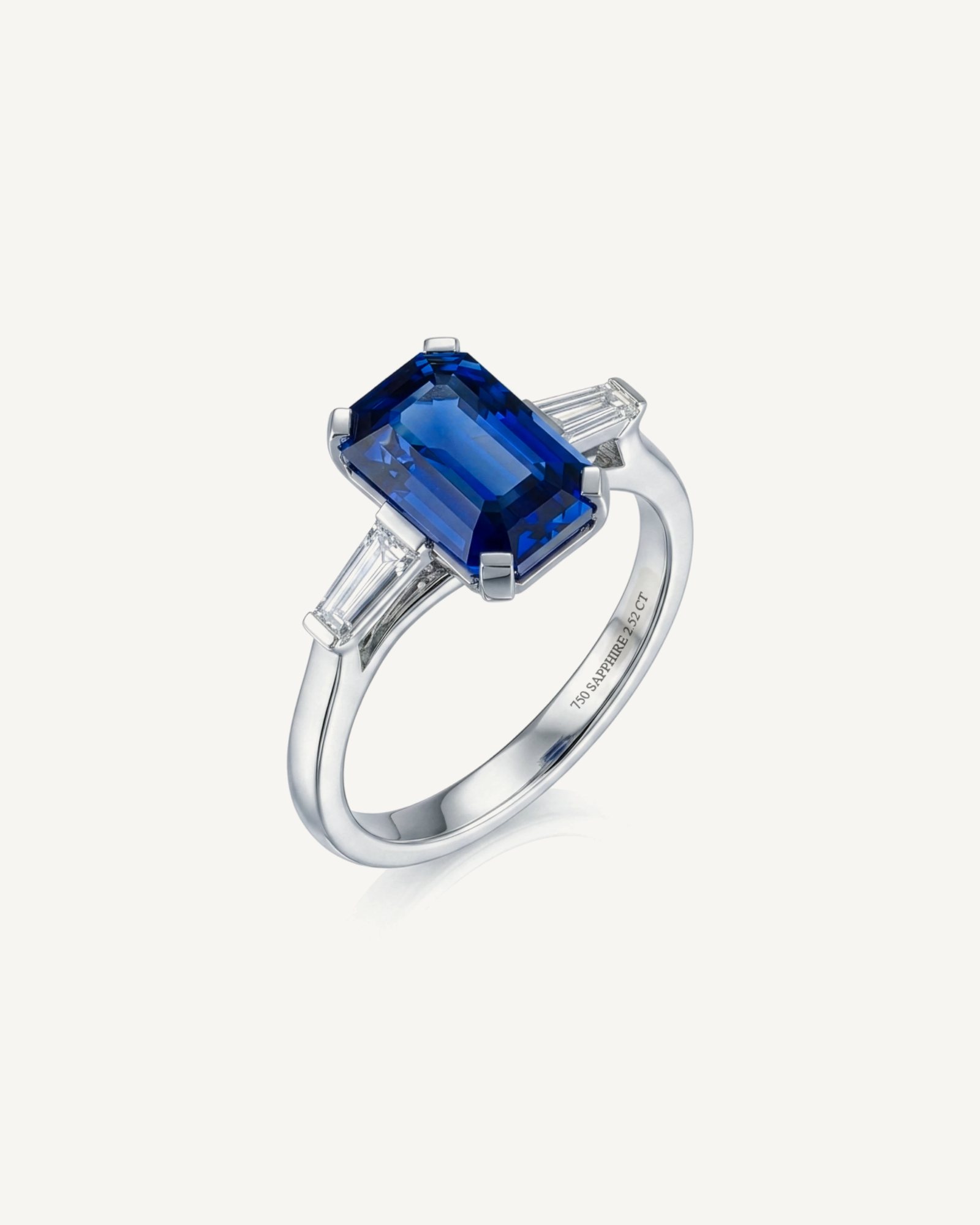
Sapphire Ring
No. 04 of 05
2.52ct octagonal sapphire of very fine colour, white gold
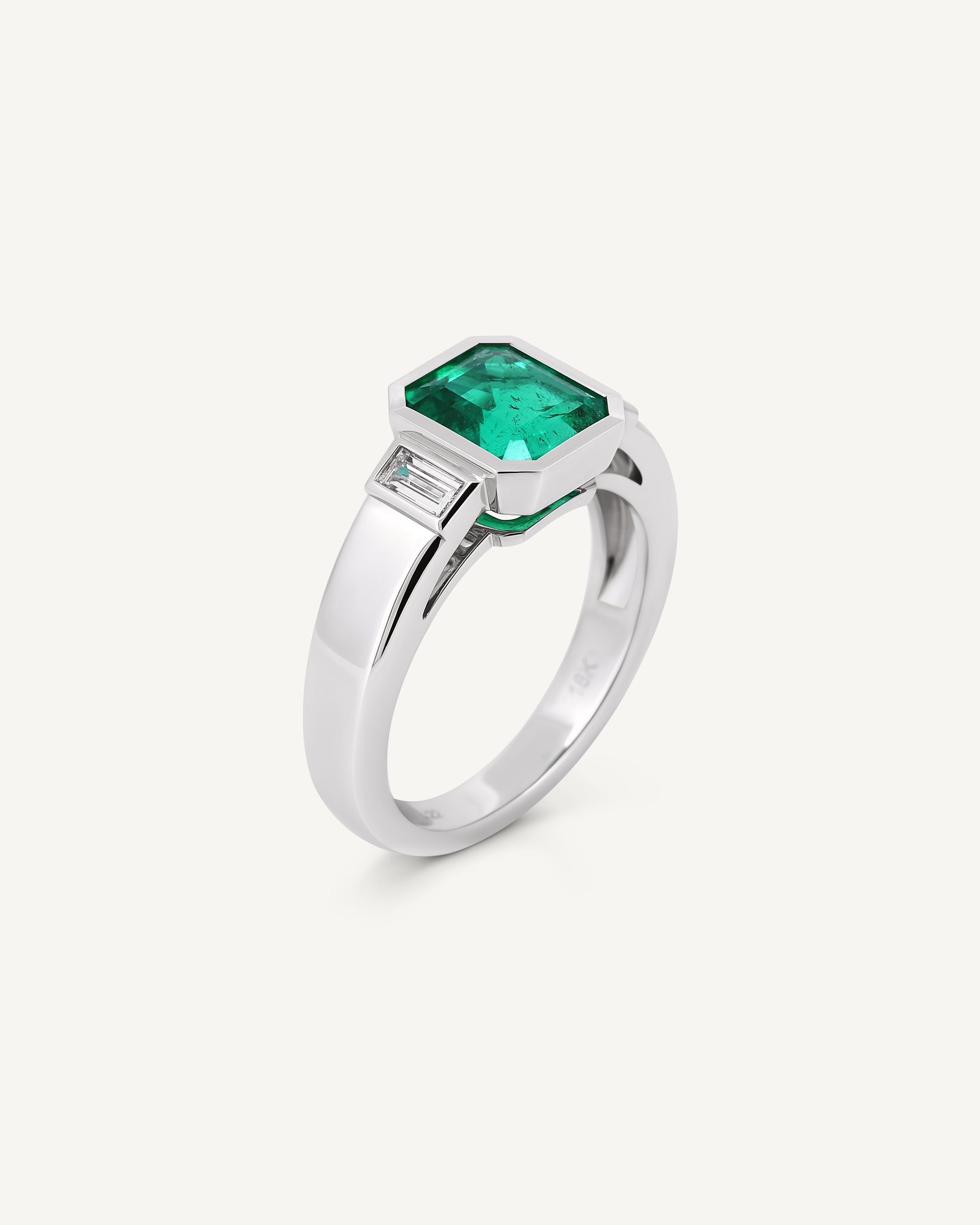
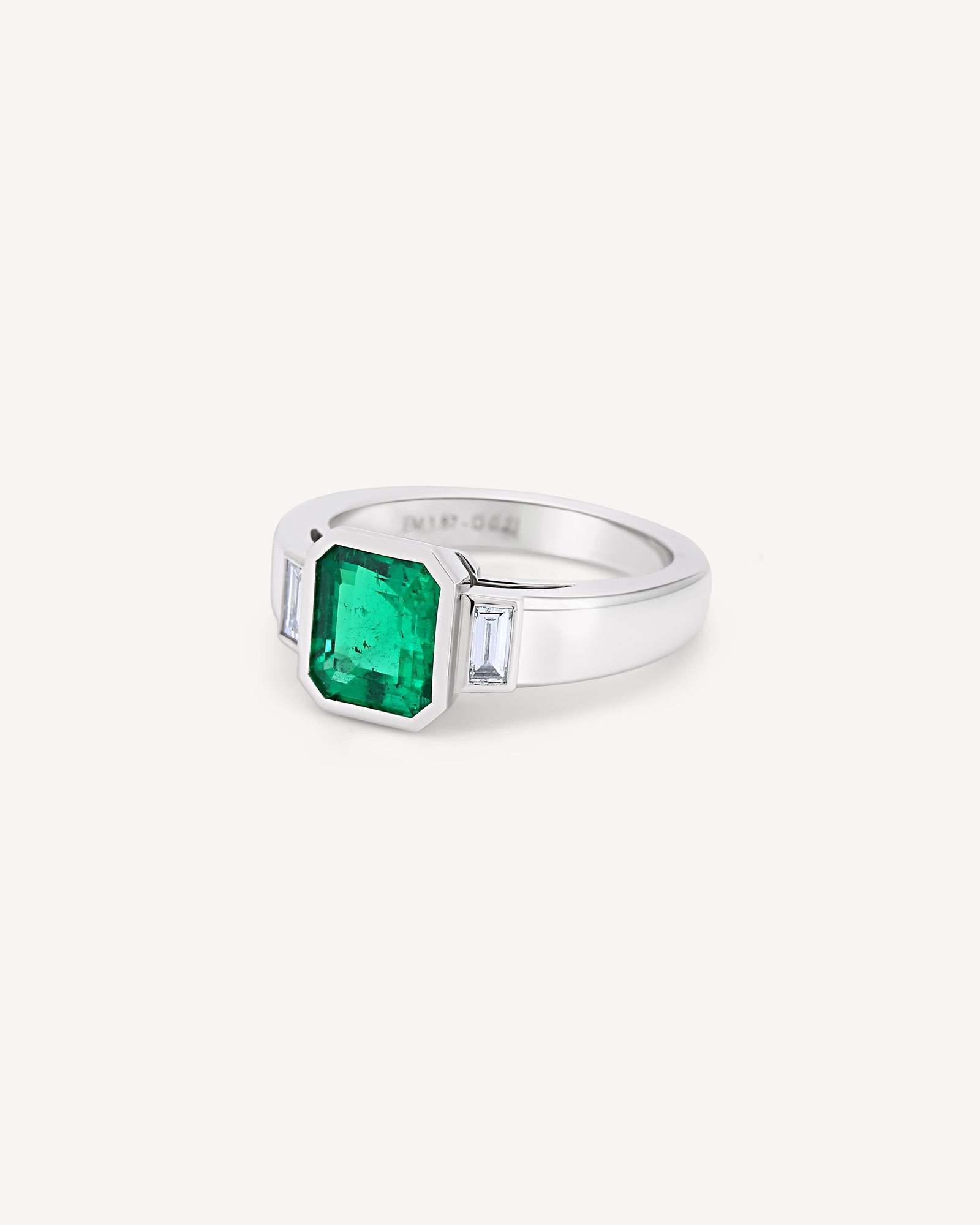
Emerald Ring
No. 05 of 05
Bezel-set emerald of Colombian origin, with indications of minor clarity enhancement

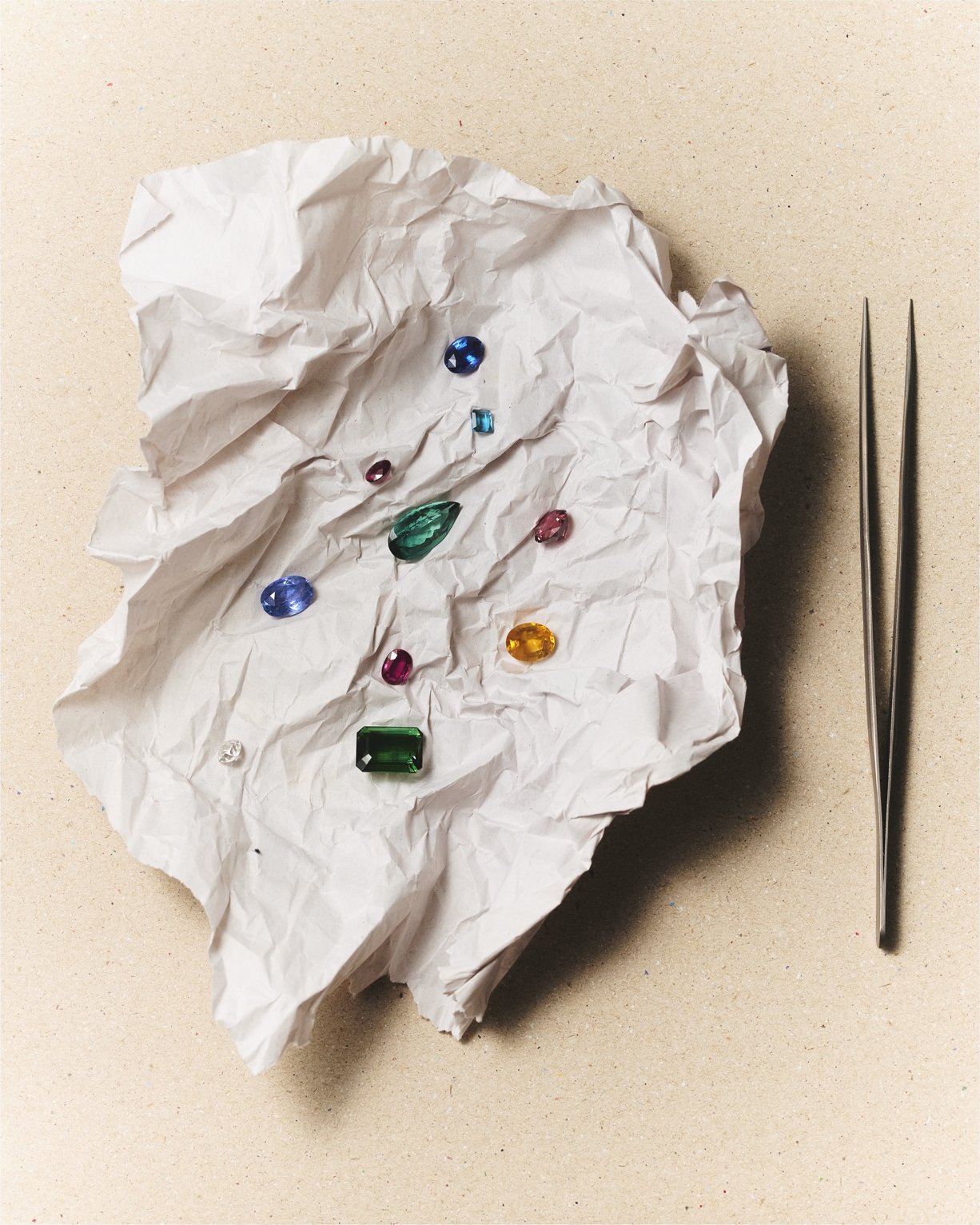
Every piece begins with a single stone
Hover — or tap — a stone to learn its story
Discover the processLocation
Amsterdam, The Netherlands
Bangkok, Thailand
Services
Bespoke jewellery
Sourcing of specialty stones
The stone comes first
Most jewellery starts with a design and then finds a stone to fill it. I work the other way round. I look for a stone with real colour and character, something you won’t see in every shop window, and let the design follow from that. It’s a slower process, but it’s the only way I know to create a piece that feels truly individual.
Colour is the hardest part of finding a stone. Recently I was looking for a sapphire for a client who came in wanting a lighter blue. After I showed him a few stones side by side, he realised he actually loved a deeper, richer colour, what we call royal blue in the trade. It’s the colour everyone asks for, and also one of the hardest to find, because a royal blue often turns out a little too dark. The last thing you want is a stone that only comes alive under a spotlight. It should look spectacular in a cocktail bar with a single candle on the table.
I’ve worked with coloured stones at nearly every point in the chain. I’ve sorted emeralds at the Gemfields mine in Zambia and prepared parcels for tender, visited the tourmaline mines of Paraíba and the markets of Sri Lanka, Thailand and Burma, graded stones in Antwerp, and worked in auction rooms in London and Amsterdam.
Very few people see a stone at every stage between the ground and the hand that wears it. I bring the experience to recognise which stone is worth building around, and the honesty to tell you when one isn’t, even when it’s the royal blue you had your heart set on.
The work is made in Bangkok, in a workshop that has spent two decades producing jewellery for some of the largest houses in the world. Your piece is made by the same cutters and setters, to the same standards, whether it’s for a private client or a major jewellery house.
Working directly with the workshop means you can commission a piece around a stone you love, rather than choosing from the designs a brand has decided to make that season.
Because sourcing, lapidary, design, goldsmithing, engraving and setting all happen under one roof, a stone can be recut to sit exactly right in its mount, and a centre stone can be scanned so the setting fits it precisely. Side stones are cut to suit the design rather than picked from existing stock. Earrings are prototyped until they hang correctly, and engraving is done by hand.
These are the details that make a piece work as well in person as it does on paper, and that matter long after it leaves the workshop.
Location
Amsterdam, The Netherlands
Bangkok, Thailand
Services
Bespoke jewellery
Sourcing of specialty stones